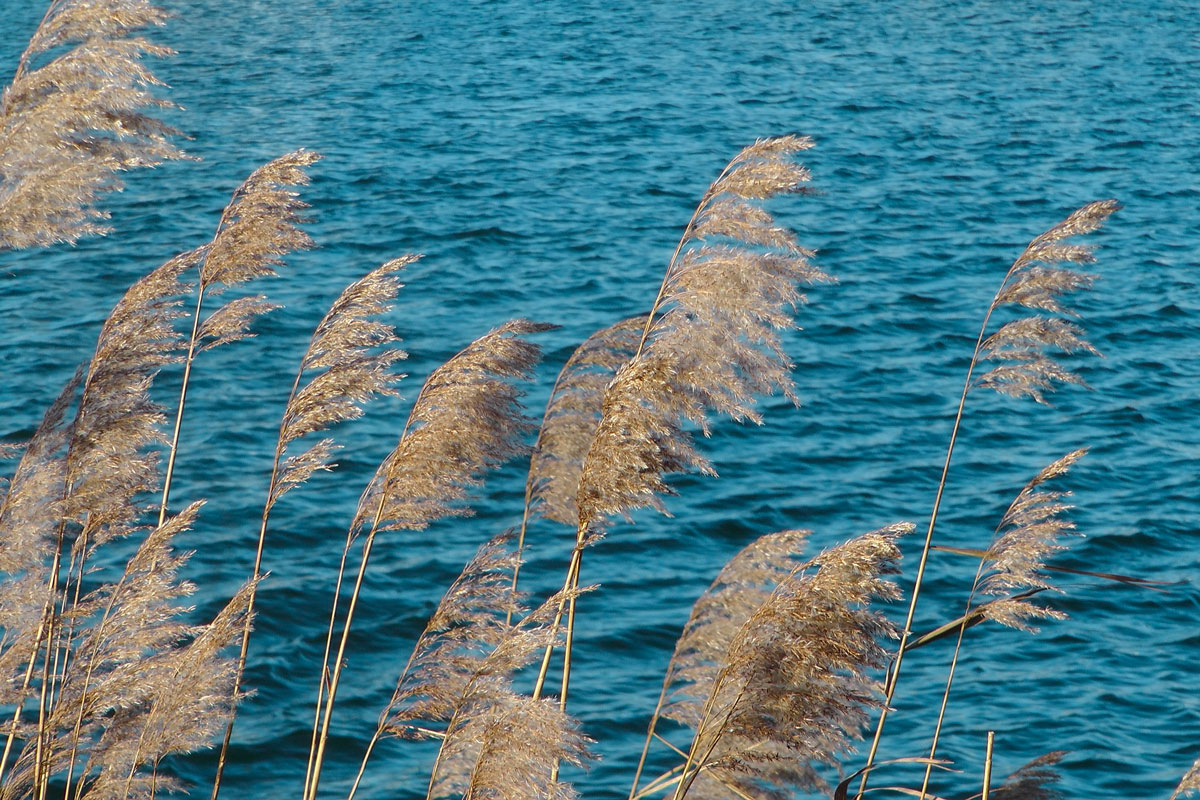
Photo of Invasive Phragmites by PersianDutchNetwork – Own work, CC BY-SA 3.0
MCLA is happy to announce that Manitowoc County will have Jake Divine working on invasive species this year thru Glacierland RC&D.
Jake is looking to fill a number of internship positions this summer (not all in Manitowoc county). So if you know of a student, friend or relative that may be interested, please circulate this information. Deadline to apply is March 31.
Partial job description: Glacierland RC&D is seeking up to eight invasive species management interns for a limited-term position for the summer of 2021. This position will include a diverse work experience where interns will operate on a rotating schedule of invasive species mapping, control, and outreach duties. The primary duties of this position will be mapping and data entry for target invasive species within the Kettle Moraine State Forest Northern Unit, conducting invasive species treatments with a Stantec Consulting Services Inc. ecosystem restoration crew, including application of aquatic-approved herbicides in Manitowoc, Sheboygan, and Ozaukee counties, and implementing a Clean Boats Clean Waters Program in Manitowoc and Kewaunee counties by conducting boat inspections at local boat landings to educate the public about preventing aquatic invasive species, and collecting and submitting data boater survey information to the Wisconsin DNR. This position is dependent on funding from the USDA Forest Service and the Wisconsin DNR and is anticipated to begin April 26th, 2021 and run through September 6th, 2021.
Complete job description available at: Invasive Species Management Intern 2021.pdf
THIS ARTICLE REFERS TO HISTORICAL ICE-ON DATA AND SHOULD NOT BE USED FOR DETERMINING SAFETY OF CURRENT CONDITIONS
From Scott Otterson, Cedar Lake
The lake has frozen over and the “Ice On” data will be submitted to the DNR to expand our lake’s database. Below is a chart showing my historical records of when Cedar Lake froze over. The chart shows the variability of the lake freezes.
I also calculated the duration of the ice on the lake. I used my records of when Cedar Lake froze and the following spring when the lake’s ice broke up. You will see on the chart from the trendline that the ice duration seems to be shortening. The trendline shows that the duration of ice on the lake has reduced 7 days over the last 20 years. Read more
Originally published in the Valders Journal on February 1, 2018.
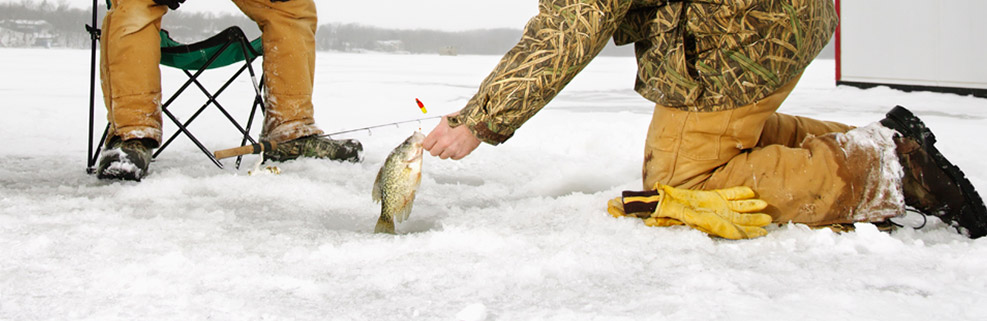
Recent innovations and technology make it easier to catch more fish, an expert fisherman told area sportsmen last week. Tournament fisherman Clint Ward addressed a meeting of the Manitowoc County Lakes Association on Jan. 25, 2018, discussing everything from his favorite ice fishing equipment to how he beat his cousin using the latest technical advances.
Ward said the best lakes in the county for catching: bluegills are Carstens, Weyers, West and Bullhead; for crappie it’s Long, Shoe and English; for perch it’s English; and for northerns it’s Wilke, Hartlaub, Schisel, and Cedar. Additionally, Cedar, Silver, English and Pigeon lakes contain small populations of walleyes, he said.
Read the full article on the DNR website: Groundwater Coordinating Council Releases Recommendations to Improve Groundwater Quality and Quantity in Wisconsin
Sept 1, 2020 – Nearly 75% of Wisconsin residents rely on groundwater as the primary source for their drinking water. Wisconsin also relies on groundwater to irrigate crops, water cattle and process a wide variety of foods, as well as feed trout streams and spring-fed lakes—all of which are vital to our state economy.
The Wisconsin Groundwater Coordinating Council, which supports the sustainable management of groundwater quantity and quality in the state, shared key recommendations for protecting and preserving groundwater resources with the Wisconsin legislature in its August 2020 annual report.
Three of the key recommendations found in the report address some of the most prevalent issues in Wisconsin water quality:
For more information, read the full article
and visit dnr.wi.gov and search “Groundwater Coordinating Council.”
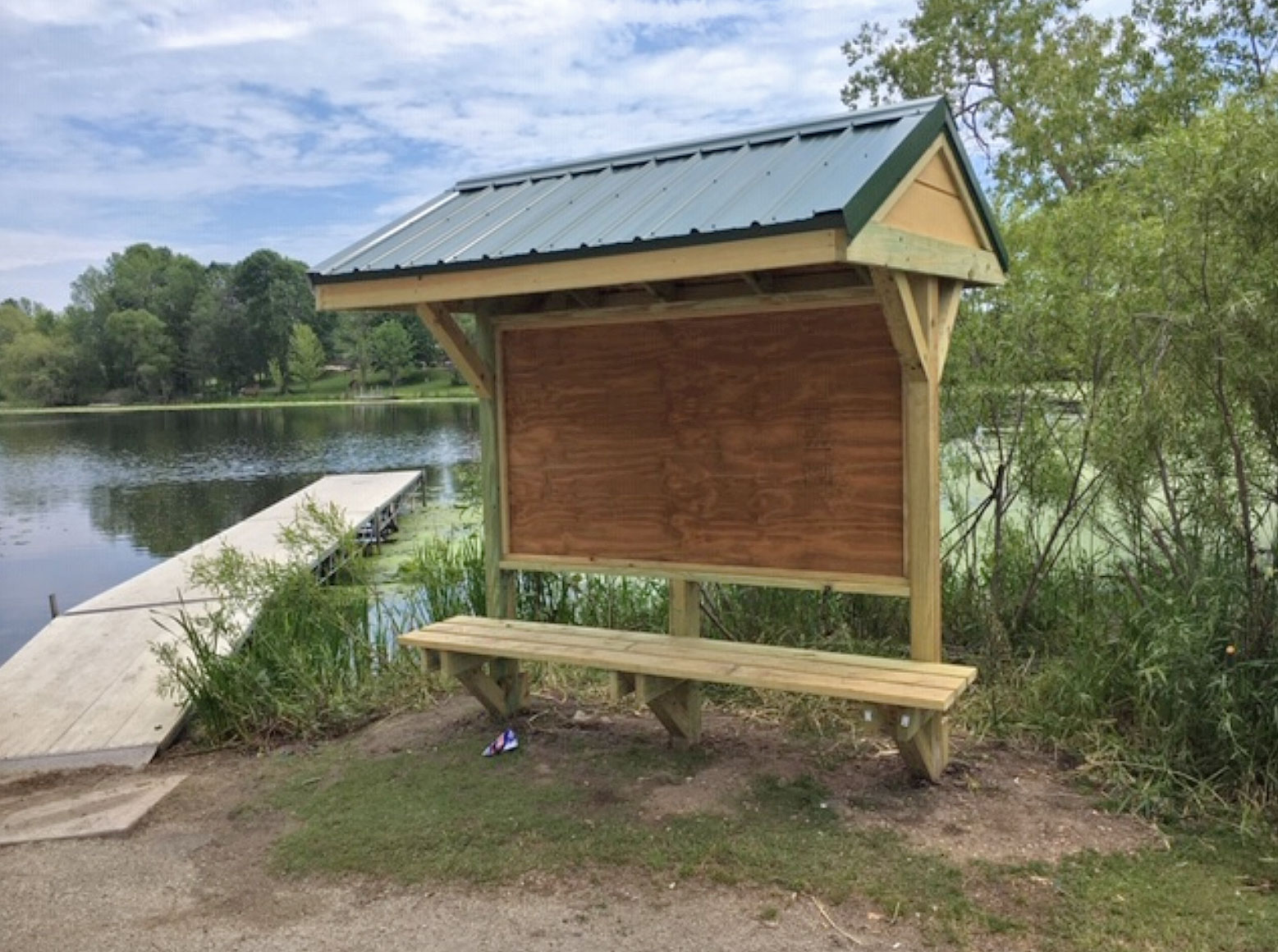
In 2020, Manitowoc County erected these new lakeside kiosks at English, Carsten’s, Horseshoe and Cedar Lakes. Read more
MCLA, with volunteers, continues to conduct annual water quality testing of our county lakes—if there is a volunteer monitor on the lake.
Wisconsinites have the opportunity to vie for funding to support projects that benefit lakes, rivers and wetlands. The Wisconsin Department of Natural Resources provides more than $6 million each year for surface water protection and restoration.
“The surface water grant program supports a variety of projects to help achieve statewide surface water quality and habitat goals. If you are thinking about submitting a project, the time is now to reach out to your local lakes, rivers or AIS coordinator. They can review your pre-application and help you develop a competitive application.”
—Alison Mikulyuk, DNR Lakes and Rivers Team Leader
Deadlines
Eligible entities must submit a pre-application with a rough project outline by Sept. 2, 2020, and final grant applications are due on Nov. 1, 2020.
Who is eligible to apply for grant funding?
Eligible organizations include lake associations and districts, river management organizations, local units of government, nonprofits, schools and others. Individuals interested in applying must find a qualified organization willing to sponsor their project.
Reprinted from an Aug 10, 2020 article on the Wisconsin DNR website
by Alison.Mikulyuk@wisconsin.gov.
A DNR news release on August 10, 2020 introduced a new roadkill reporting system aimed to help our populations of reptiles and amphibians.
Wisconsin residents and visitors are being asked to report road crossings where these reptiles and amphibians are found dead or alive to help better understand where their populations occur and to save more of them in the future. The new reporting form is now available from the Wisconsin Department of Natural Resources’ Reptiles and Amphibians webpage.
“Our goal is to fill in gaps of where these animals are found in Wisconsin and how they’re doing in the state so we can better protect them. We also want to identify high road mortality areas where we can work to incorporate mitigation efforts to diminish the threats to them.”
—Rich Staffen, DNR Natural Heritage Conservation Program zoologist.
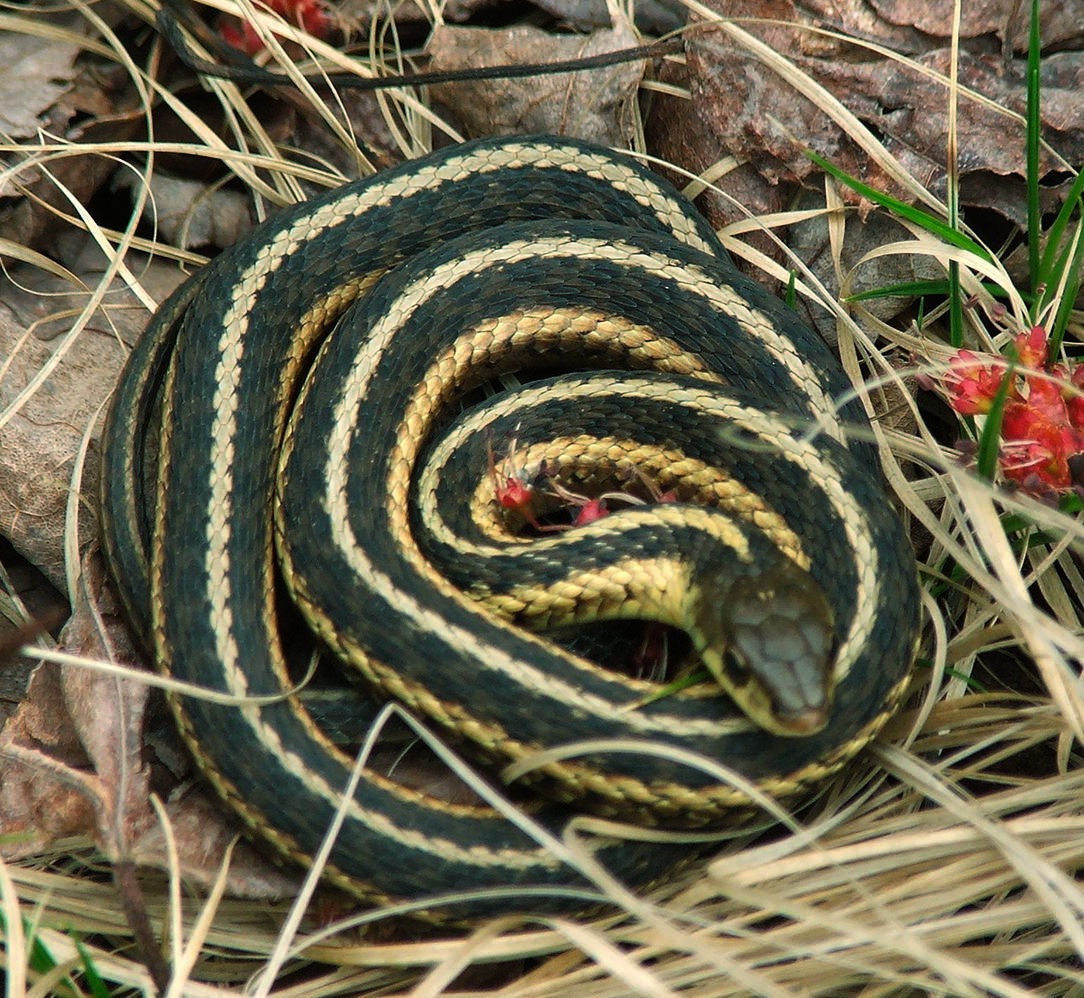
The Butler’s Garter Snake is listed as being of ‘Special Concern’
Be sure to take the “Herp” quiz to sharpen your identification skills and win guidebooks!
Contest ends Tuesday, Sept. 1, 2020
by Tom Ward
Blue-green algae are photosynthetic bacteria known as cyanobacteria and are a natural part of water bodies in Wisconsin. With enough sunlight and nutrients, cyanobacteria can grow to high levels and form a blue-green algae bloom. Blooms are often smelly, look like spilled paint or pea soup, and can change the color of the water to green, blue, turquoise, purple, tan, or white. Some blooms form a layer of scum or mats on the surface of the water. Read more
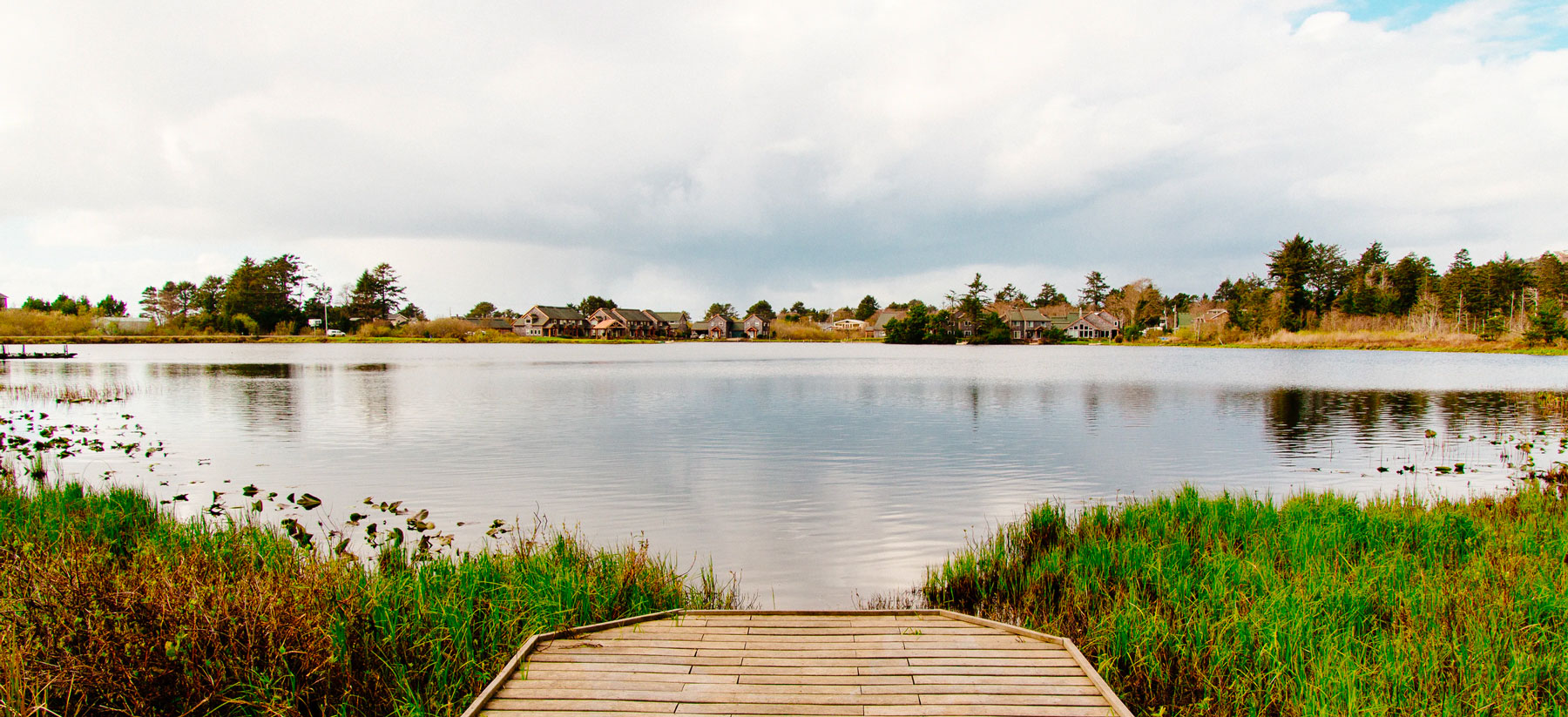
photo by Eric Muhr, via unsplash
MCLA is canceling the bi-monthly April 23rd meeting. Our next scheduled meeting is June 25th, and hopefully by then it will be safe to meet again. Update: The June 25th meeting has also been canceled, along with the August meeting and October Banquet. We want everyone to know that MCLA is still here to assist with lake concerns, including invasive species. You can reach us at manitowoccountylakesassoc.email@gmail.com
In the meantime, take some time to read and enjoy the information and many important articles about the health of our lakes that can be viewed on the website. We’ve had many guest speakers in the past… 2019 guest speakers are here
Enjoy the beauties of spring, a time when nature springs to life and new hope does too! The peepers will soon be in chorus and most birds have arrived and in full song. Maybe after this experience we will appreciate what whitetail deer go through a in a bad winter.
Farmers have to be optimistic come spring as they are heavily invested in putting their money and seeds in the ground, hoping for the best.
Feel blessed to live on or near the water and enjoy the healing hands of nature. A great cure for cabin fever.
Tom Ward
Todd S. Bergmann of the Valders Journal highlights the presentations of local ice fishing expert Clint Ward and SLO Farmers Co-op representative Suzanne Zipperer. The two were guest speakers at the February 27, 2020 MCLA meeting.