What’s happening with your lakes?
Read the 2026 MCLA Newsletter, published and mailed September 2026.
Editor: Dave Pozorski. Read more
Read the 2026 MCLA Newsletter, published and mailed September 2026.
Editor: Dave Pozorski. Read more

Boat Launch Permits are issued by
Manitowoc County Planning, Zoning & Parks Dept.
4319 Expo Drive, PO Box 935
Manitowoc, WI 54221-0935
Permits are available around the end of January of each year.
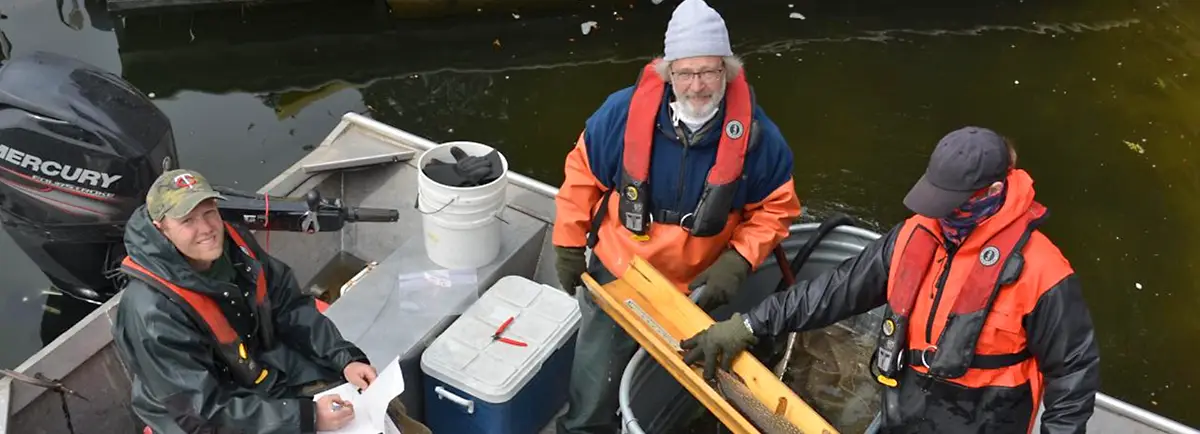
At the February 26, 2026 Meeting of Manitowoc County Lakes Association, Jason Breeggemann, WI-DNR Senior Fisheries Biologist, discussed the new regulations designed to balance fish populations that take effect across several county lakes on April 1.
Long Lake: 25 panfish daily limit, including no more than 5 bluegill
Bullhead Lake and Pigeon Lake: 10 panfish daily limit
Cedar Lake: Northern pike 25–35 inch protected slot limit, daily bag of 2; 10 panfish daily limit (max 5 bluegill)
Silver Lake: 26-inch minimum length for northern pike, daily bag limit of 2.
English Lake: 10 panfish daily limit (max 5 bluegill)
Harpt Lake: 10 panfish daily limit (max 5 yellow perch)
photo credit Scott Otterson
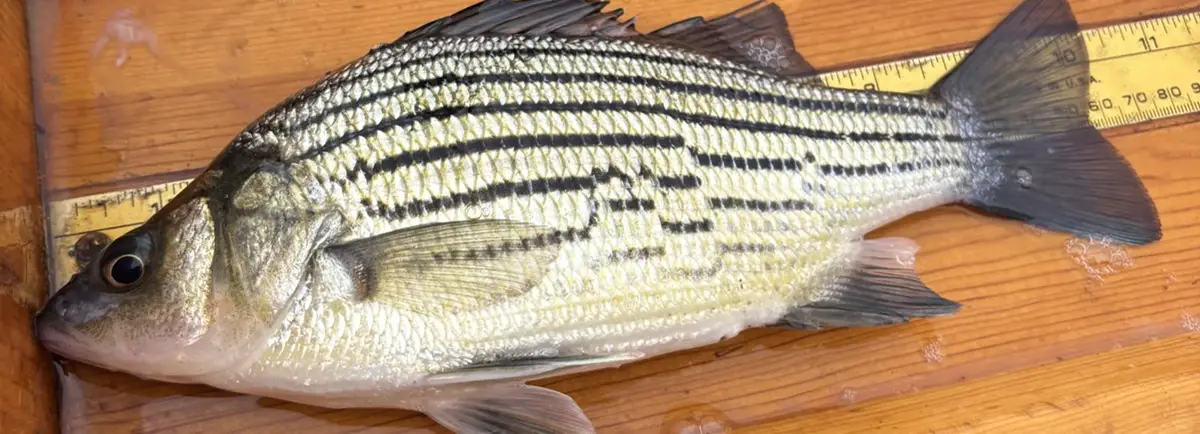
The Wisconsin Department of Natural Resources recently completed comprehensive fisheries surveys on Long Lake and Bullhead Lake to evaluate fish populations and guide future management decisions. The surveys used fyke netting and electrofishing to measure fish abundance, growth, and size structure.
Jason Breeggemann, Senior Fisheries Biologist, presented results at the MCLA Meeting on February 26, 2026.
The 2025 survey found healthy northern pike and panfish populations in Long Lake. Biologists collected 3,396 fish from 13 species during netting surveys and 296 fish from 10 species during electrofishing.
Key findings include:
Northern Pike: Moderate–high abundance with an average size of 23.6 inches and fish up to 35 inches. Strong evidence suggests the population is being sustained by natural reproduction.
Black Crappie: Very abundant (96th percentile statewide), though most fish top out around 9–10 inches.
Bluegill: Moderate–high density with good growth rates and size structure.
Managers will continue monitoring natural pike reproduction and adjusting panfish regulations to maintain a balanced fish community.
Bullhead Lake showed a different population structure, with very high numbers of largemouth bass and relatively fewer panfish.
Surveys captured 283 fish representing nine species during netting and 348 fish representing five species during electrofishing.
Key findings include:
Northern Pike: Moderate population dominated by older fish, suggesting limited recruitment of young pike.
Walleye: Low abundance, though survival from 2023 stocking efforts appears promising.
Largemouth Bass: Extremely abundant (99th percentile statewide) but slow-growing due to overcrowding.
Bluegill: Low–moderate abundance with good growth potential but few large individuals.
Managers recommend removing the minimum size limit for largemouth bass to reduce overcrowding and improve growth. Continued walleye stocking and monitoring of the pike population are also planned.
In late January 2026, the Wisconsin DNR received reports from anglers on Silver Lake of a lack of fish on sonar and bait minnows dying in the water.
DNR biologists investigating the reports found dead fish — including bluegills and other panfish — and low dissolved oxygen levels in multiple basins; several dozen fish were initially documented.
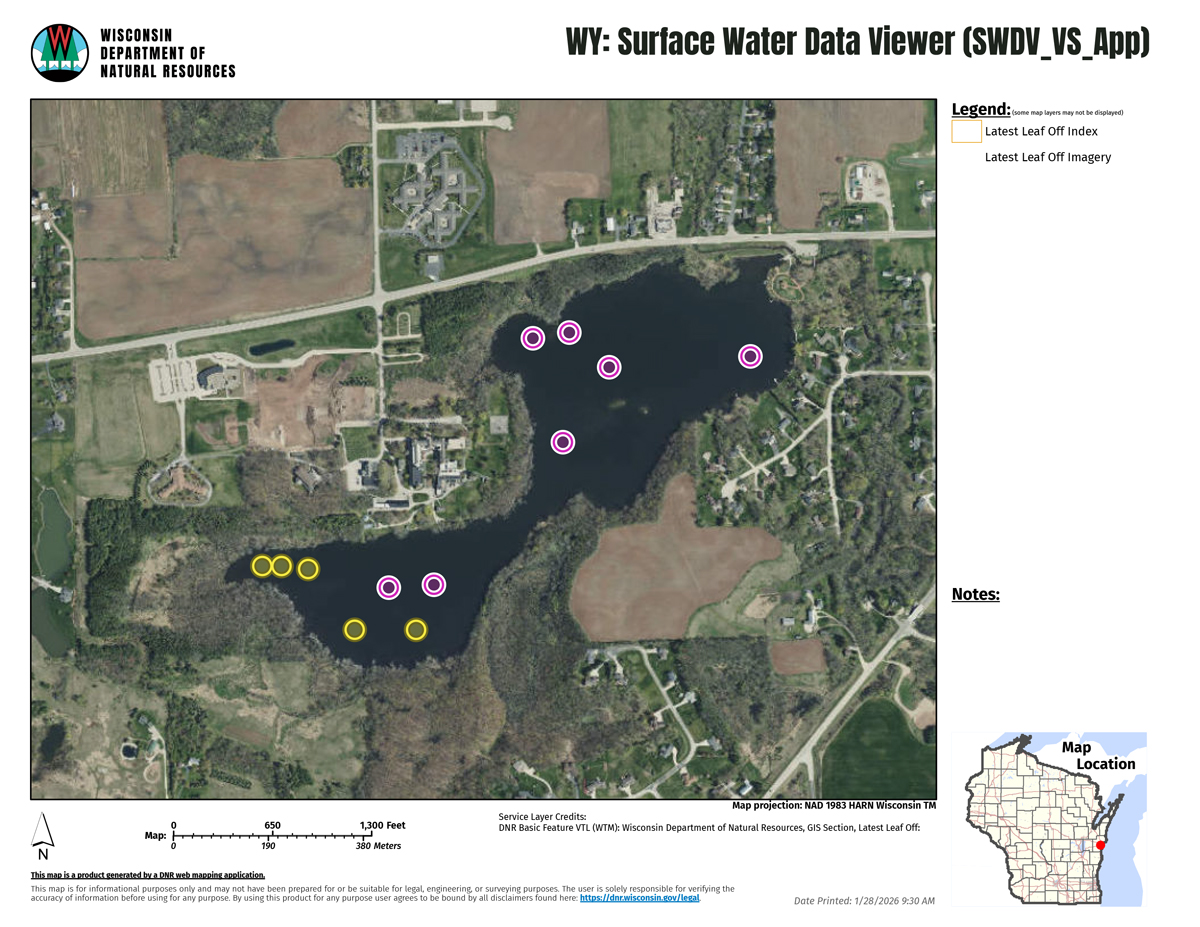
Sampling across multiple sites (see map) by Fisheries Biologist Jason Breeggemann and Claire Hetzel confirmed low dissolved oxygen throughout the lake, with dead crappies and bluegill observed in some locations using an underwater camera. Pink circles = low O2 and no dead fish observed; yellow circles = low O2 and dead fish observed.
The leading explanation is oxygen depletion under ice — a common winter condition in shallow lakes — likely linked to high nutrient levels, a possible late-season algal bloom, and limited submerged vegetation producing oxygen beneath ice cover.
Additional water sampling is underway to determine whether oxygen decline resulted from natural biological processes or runoff inputs; early results show normal E. coli levels, ruling out an acute spill.
Similar past events suggest some species may persist in limited refuge areas, but the full extent of this winterkill cannot be determined until after ice-out.
Testing and monitoring continue, with electrofishing surveys planned for spring — and possibly netting if conditions allow — to assess impacts.
Some media coverage has suggested the event may have eliminated an entire species locally and that recovery could take years; officials say the final impact assessment is pending survey results.
Findings from ongoing sampling and surveys will guide future management discussions, including whether aeration or other mitigation strategies should be considered.
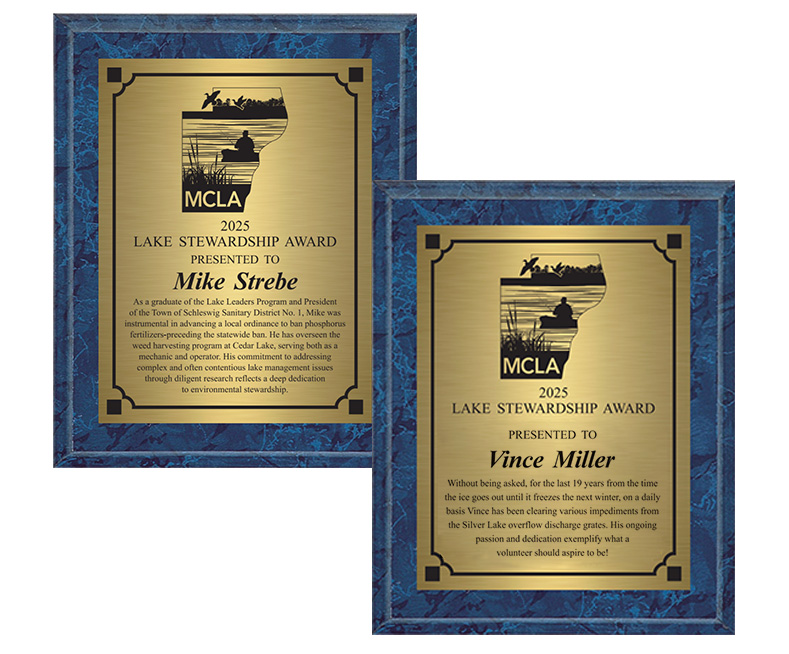 At the Manitowoc County Lakes Annual Banquet on October 11, we proudly recognized two extraordinary citizens whose commitment and service embody the very heart of the MCLA mission.
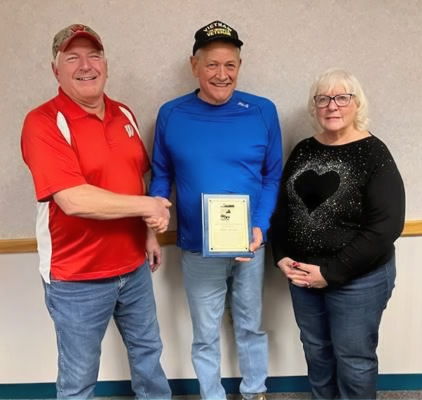
As a graduate of the Lake Leaders Program and President of the Town of Schleswig Sanitary District No. 1, Mike was instrumental in advancing a local ordinance to ban phosphorous fertilizers—preceding the statewide ban. He has overseen the weed harvesting program at Cedar Lake, serving both as a mechanic and operator. His commitment to addressing complex and often contentious lake management issues through diligent research reflects a deep dedication to environmental stewardship.
(l-r) MCLA President Jerry Corfman, Mike Strebe, and Mary Ann Waldbauer, Representative for Cedar Lake Improvement Association.
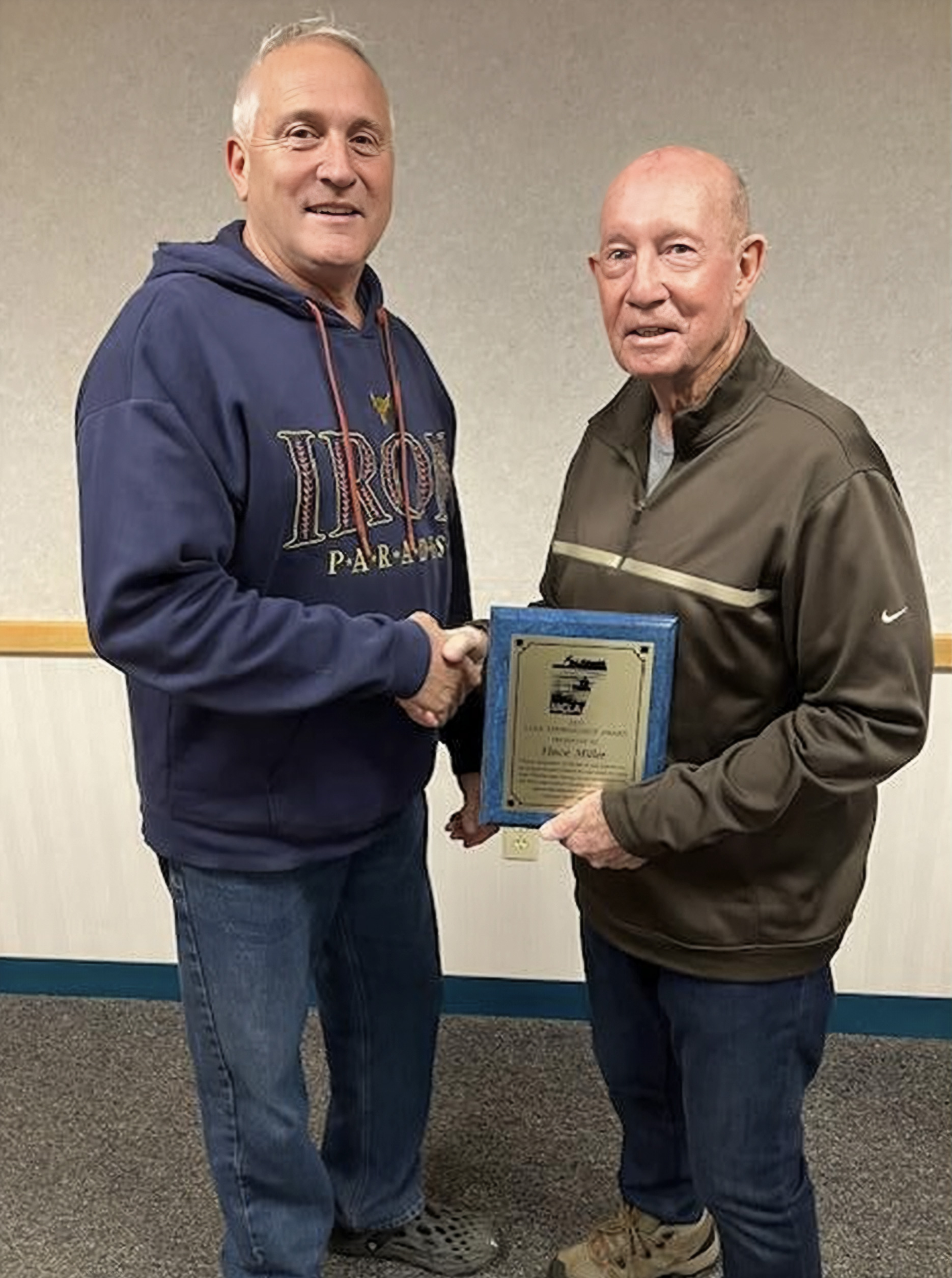
Without being asked, for the last nineteen years from the time the ice goes out until it freezes the next winter, on a daily basis, Wince has been clearing various impediments from the Silver Lake overflow discharge grates. Hi ongoing passion and dedication exemplify what a volunteer should aspire to be!
(l-r) Brett Hubbartt, Silver Lake representative with Vince Miller.
The 2025 edition of the MCLA Newsletter is now available online
Download it here and enjoy:

UPDATED: Meeting Minutes
Date: Thursday, 6/26/25
Time: 6:30 PM
Location: Room 300, Manitowoc County Office Complex, 4319 Expo Drive, Manitowoc, WI 54245
Public Welcome
Planned agenda:
DNR conservation wardens Isaac Hackett and/or David Bennett will introduce themselves and give us an update on their schedules for Manitowoc County and answer questions from the audience.
5 to 7 minute social break.
MCLA general membership meeting
1) Secretary’s report of 4/17/25 meeting, request for any corrections/additions
2) Treasurer’s report
3) Lake representatives reports
4) MCLA Hazardous Wake resolution vote. (read more about the issue)
5) Upcoming meeting schedule, August 28, November 20, the annual meeting/banquet for 2025 is being hosted by the English Lake Association and is on Saturday October 11 th at Viking Bow and Gun Club. Tentative 2026 meeting dates are 2/26/26, 4/23/26, 6/25/26, 8/27/26, 11/19/26. 2026 annual meeting/banquet date and location are yet to be determined.
6) Motion to adjourn
There are many opportunities to get involved with a Wisconsin Citizen-Based Monitoring Network program.
If you cannot volunteer, please visit their website and subscribe to their newsletter for valuable news and information. Read their winter 2020 newsletter.
Adopt-a-Beach
Alliance for the Great Lakes
Centerville Citizens for Air, River, and Environmental Solutions
WDNR, Discovery Farms, The WATER Institute
Citizen Lake Monitoring Network
Wisconsin DNR Northeast Region
National Weather Service Cooperative Observing Program
NOAA, National Weather Service Green Bay



MCLA, with volunteers, continues to conduct annual water quality testing of our county lakes—if there is a volunteer monitor on the lake.