Category: slider

Winter Kill ’26 on Silver Lake

What Happened: The January 2026 Winterkill on Silver Lake

  • In late January 2026, the Wisconsin DNR received reports from anglers on Silver Lake of a lack of fish on sonar and bait minnows dying in the water.

  • DNR biologists investigating the reports found dead fish — including bluegills and other panfish — and low dissolved oxygen levels in multiple basins; several dozen fish were initially documented.

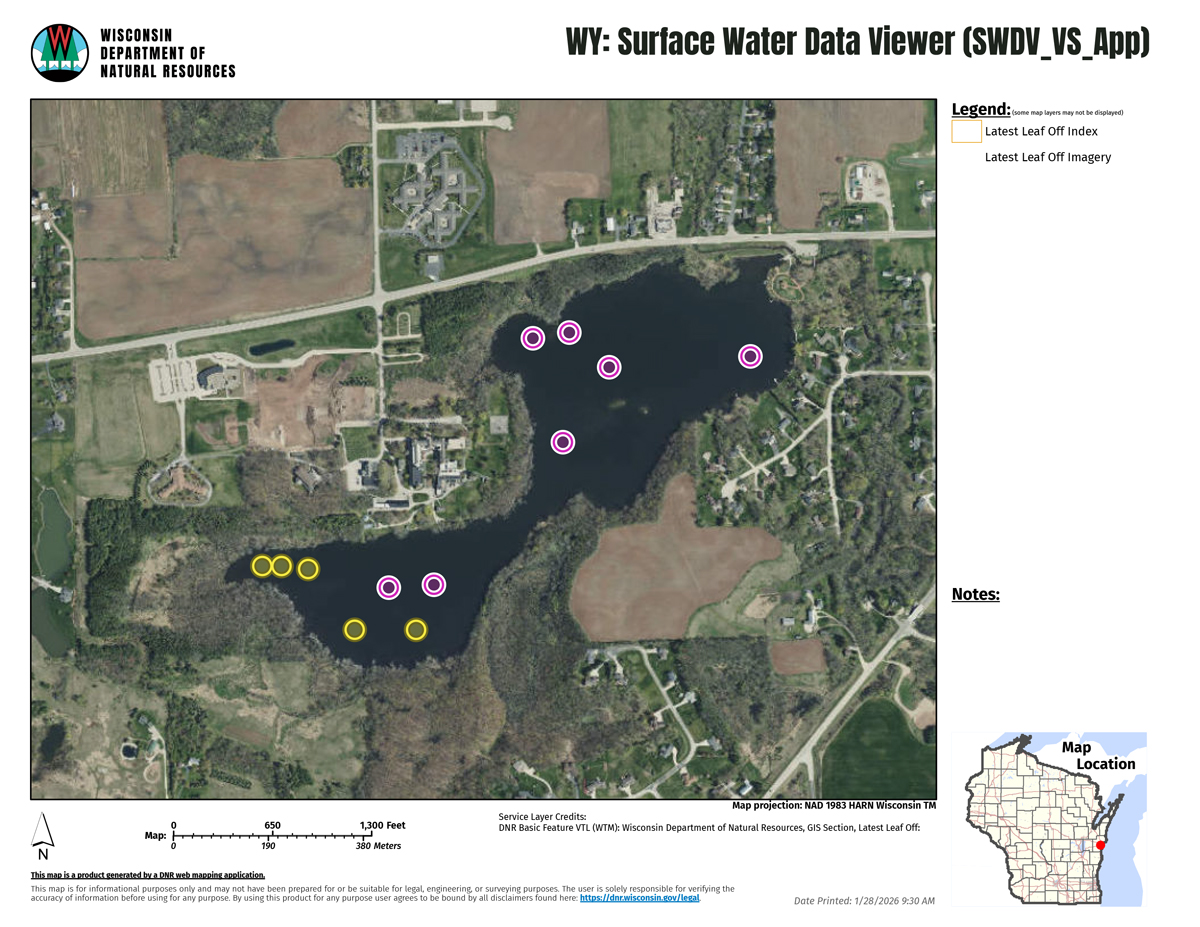
  • Sampling across multiple sites (see map) by Fisheries Biologist Jason Breeggemann and Claire Hetzel confirmed low dissolved oxygen throughout the lake, with dead crappies and bluegill observed in some locations using an underwater camera. Pink circles = low O2 and no dead fish observed; yellow circles = low O2 and dead fish observed.

  • The leading explanation is oxygen depletion under ice — a common winter condition in shallow lakes — likely linked to high nutrient levels, a possible late-season algal bloom, and limited submerged vegetation producing oxygen beneath ice cover.

  • Additional water sampling is underway to determine whether oxygen decline resulted from natural biological processes or runoff inputs; early results show normal E. coli levels, ruling out an acute spill.
What’s Next?

  • Similar past events suggest some species may persist in limited refuge areas, but the full extent of this winterkill cannot be determined until after ice-out.

  • Testing and monitoring continue, with electrofishing surveys planned for spring — and possibly netting if conditions allow — to assess impacts.

  • Some media coverage has suggested the event may have eliminated an entire species locally and that recovery could take years; officials say the final impact assessment is pending survey results.

  • Findings from ongoing sampling and surveys will guide future management discussions, including whether aeration or other mitigation strategies should be considered.

Media Coverage


Updated: February 16, 2026 — 5:59 pm

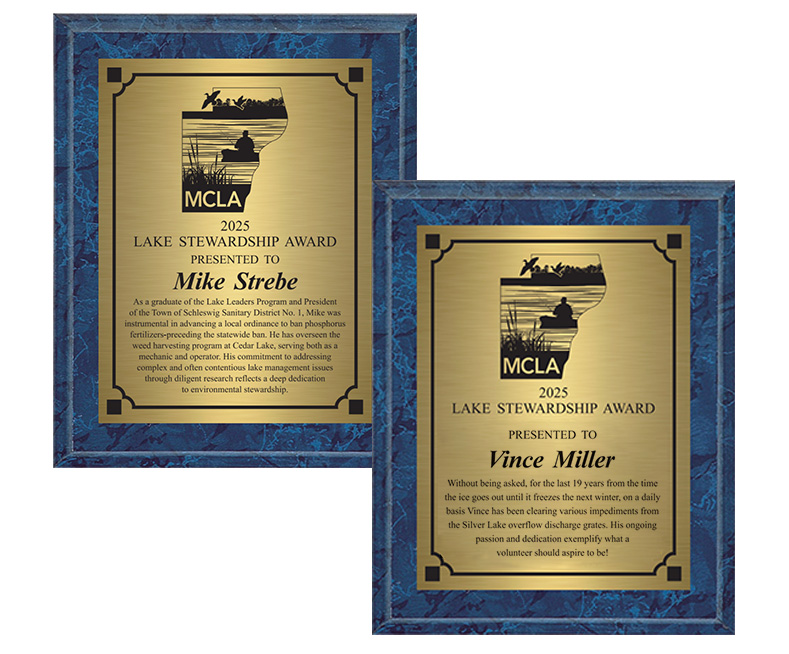
2025 Lake Stewardship Awards

At the Manitowoc County Lakes Annual Banquet on October 11, we proudly recognized two extraordinary citizens whose commitment and service embody the very heart of the MCLA mission.

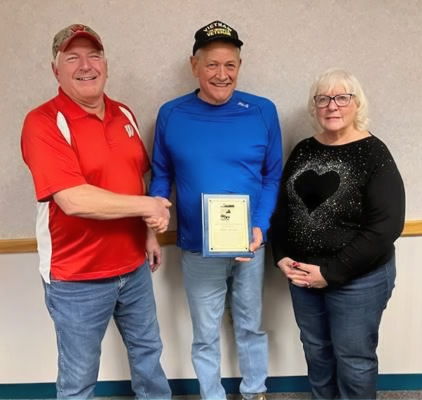
Mike Strebe

As a graduate of the Lake Leaders Program and President of the Town of Schleswig Sanitary District No. 1, Mike was instrumental in advancing a local ordinance to ban phosphorous fertilizers—preceding the statewide ban. He has overseen the weed harvesting program at Cedar Lake, serving both as a mechanic and operator. His commitment to addressing complex and often contentious lake management issues through diligent research reflects a deep dedication to environmental stewardship.


(l-r) MCLA President Jerry Corfman, Mike Strebe, and Mary Ann Waldbauer, Representative for Cedar Lake Improvement Association.


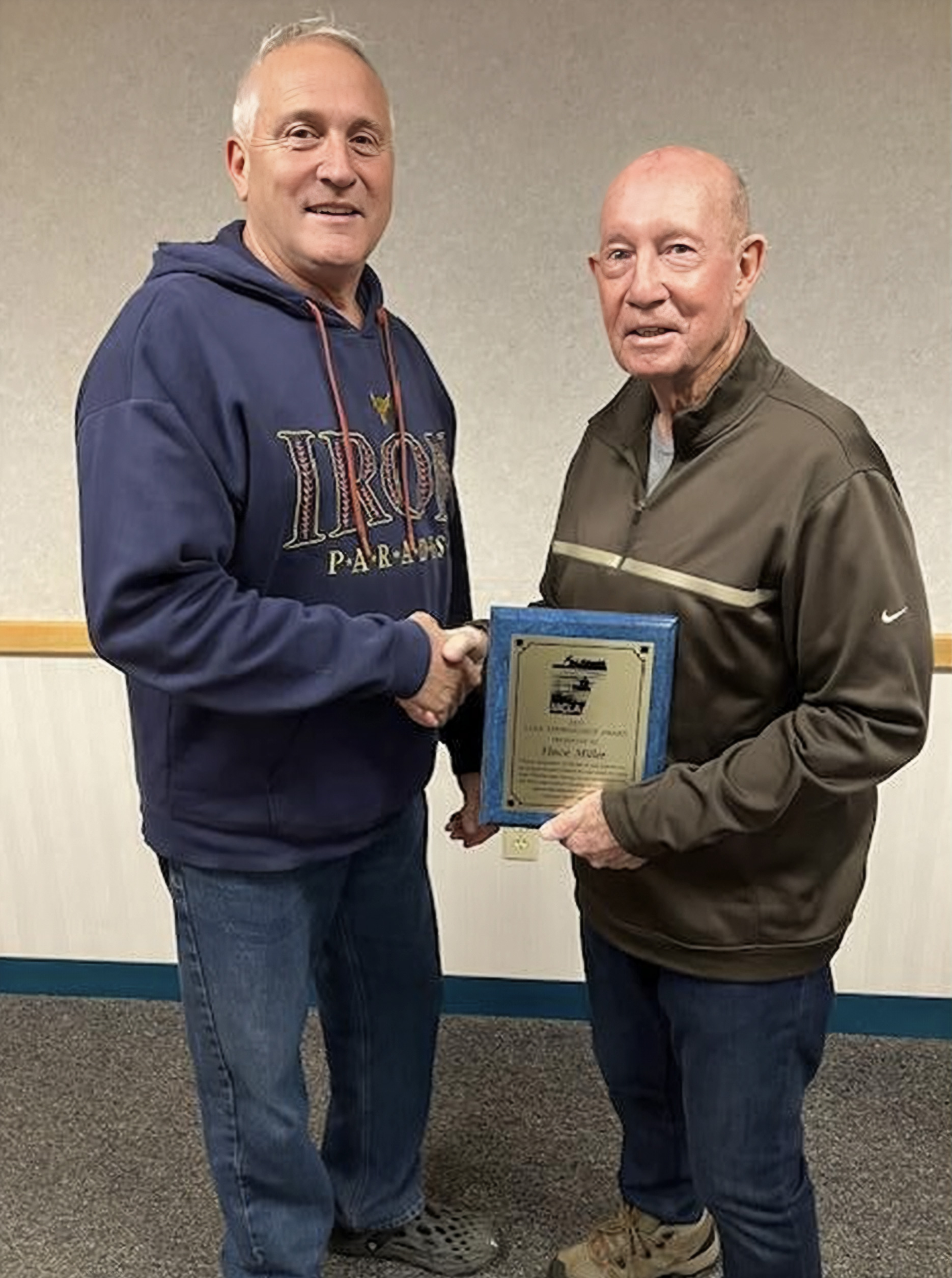
Vince Miller

Without being asked, for the last nineteen years from the time the ice goes out until it freezes the next winter, on a daily basis, Wince has been clearing various impediments from the Silver Lake overflow discharge grates. Hi ongoing passion and dedication exemplify what a volunteer should aspire to be!


(l-r) Brett Hubbartt, Silver Lake representative with Vince Miller.

Updated: December 9, 2025 — 4:03 pm

June 2025 meeting – DNR update and Wake Vote

JUNE 26, 2025 MANITOWOC COUNTY LAKES ASSOCIATION MEETING AGENDA

from Jerry Corfman, President

UPDATED: Meeting Minutes


Date: Thursday, 6/26/25 

Time: 6:30 PM

Location: Room 300, Manitowoc County Office Complex, 4319 Expo Drive, Manitowoc, WI 54245

Public Welcome


Planned agenda:

DNR conservation wardens Isaac Hackett and/or David Bennett will introduce themselves and give us an update on their schedules for Manitowoc County and answer questions from the audience.


5 to 7 minute social break.


MCLA general membership meeting

1) Secretary’s report of 4/17/25 meeting, request for any corrections/additions

2) Treasurer’s report

3) Lake representatives reports

4) MCLA Hazardous Wake resolution vote. (read more about the issue)

5) Upcoming meeting schedule, August 28, November 20, the annual meeting/banquet for 2025 is being hosted by the English Lake Association and is on Saturday October 11 th at Viking Bow and Gun Club. Tentative 2026 meeting dates are 2/26/26, 4/23/26, 6/25/26, 8/27/26, 11/19/26. 2026 annual meeting/banquet date and location are yet to be determined.

6) Motion to adjourn

Updated: July 31, 2025 — 1:35 pm

Are you part of the network? Volunteer!


Chances are that if you are reading this on our lakes website, you care about preserving Wisconsin’s important natural resources!


There are many opportunities to get involved with a Wisconsin Citizen-Based Monitoring Network program.

If you cannot volunteer, please visit their website and subscribe to their newsletter for valuable news and information. Read their winter 2020 newsletter.


Manitowoc County Organizations accepting volunteers:

Adopt-a-Beach
Alliance for the Great Lakes

Centerville Citizens for Air, River, and Environmental Solutions
WDNR, Discovery Farms, The WATER Institute

Citizen Lake Monitoring Network
Wisconsin DNR Northeast Region

National Weather Service Cooperative Observing Program
   NOAA, National Weather Service Green Bay

Woodland Dunes Nature Center


Statewide 
volunteer opportunities also available!


Bumble Bee Brigade logo
The Bumble Bee Brigade surveys for native bumble bees throughout the state.
Clean Lakes Monitoring Network logo
The Citizen Lake Monitoring Network is a partnership between UW-Extension Lakes, the Wisconsin DNR, and over 1,000 volunteers that collect many types of water quality information on Wisconsin Lakes.
Rare Plant Monitoring Program logo
The Rare Plant Monitoring Program surveys for rare plants around Wisconsin.
Water Action Volunteers logo
Water Action Volunteers (WAV) measure six important elements of stream health using scientific tools and techniques and report data to a statewide database.
Wisconsin Frog and Toad Survey logo
The Wisconsin Frog & Toad Survey documents frog and toad distribution, relative abundance, and population trends in Wisconsin.
Wisconsin Mussel Monitoring Program logo
The Wisconsin Mussel Monitoring Program seeks to provide up-to-date information on the distribution of native freshwater mussels at a statewide level.
Wisconsin Turtle Conservation Program logo
The Wisconsin Turtle Conservation Program aims to document turtle distribution, nesting areas, and road mortality hot spots statewide in order for conservation managers and citizen scientists to utilize data to focus on high priority areas for conservation.
Updated: December 11, 2020 — 10:08 am